August 12, 2026
#
Insurance explained
by
GIA Group
Contents
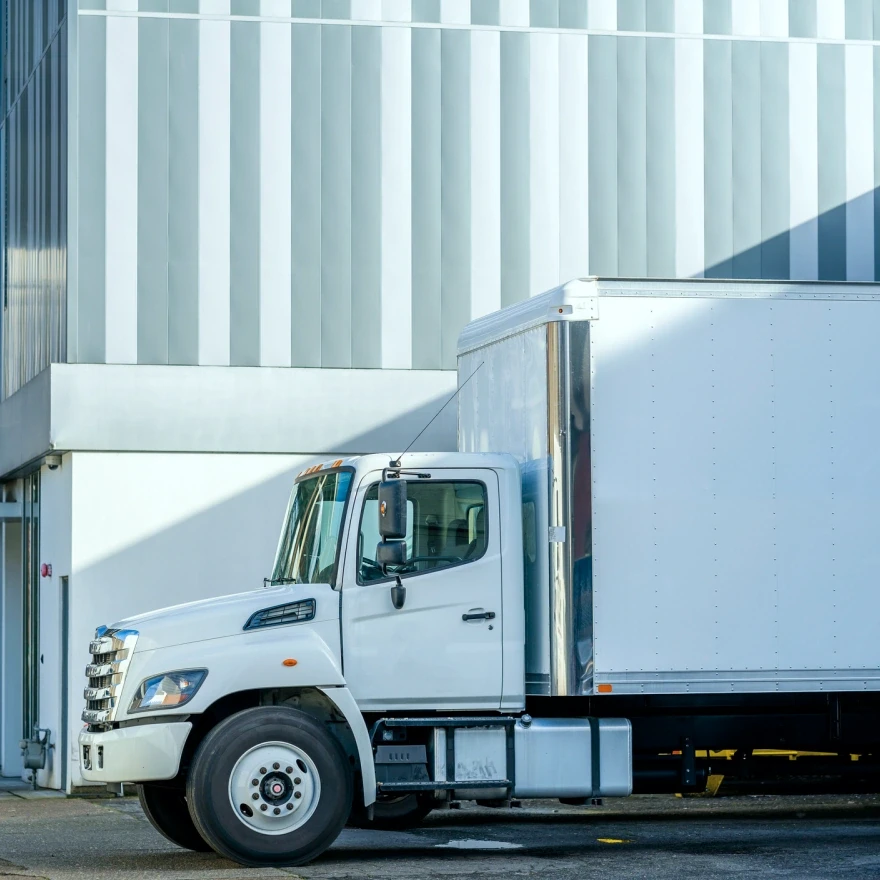
Box truck insurance cost varies more than most operators expect—the same coverage may be priced very differently depending on how the truck is used, where it operates, and who is behind the wheel. This guide covers what operators typically pay in 2026, what influences pricing, how costs differ by state and operation type, and what factors within an operator's control may affect the final premium.
For a breakdown of what commercial box truck insurance covers, see the companion guide at giasure.com.
How much does box truck insurance cost in 2026?
Box truck insurance cost is one of the more manageable expenses in commercial trucking—significantly lower than semi-truck insurance—but the range is wide depending on how the truck is used, where it operates, and the operator's history.
According to FreightWaves Checkpoint's 2026 box truck insurance cost analysis, most box truck operators pay between $231 and $950 per month, with annual premiums commonly landing between $2,772 and $11,400. That range covers a broad spectrum of operations—from a local delivery driver running a single truck in a rural area to a for-hire operator in a major metro with cargo and general liability requirements.
New ventures and operations with limited loss history may see monthly costs of $900 to $2,500 or more, particularly in the first 12 months of operation when there is no established loss history.
For the 26-foot box truck (the most common size and the one that sits at the regulatory boundary between CDL and non-CDL operation) an established operator running a full coverage package typically pays $350 to $1,200 per month. A new venture in a metro area with $1 million liability and $100,000 cargo coverage may see $1,500 to $2,600 or more per month in year one.
What factors shape the price?
Box truck insurance pricing is shaped by how the truck is used, where it operates, the driver's record, the truck's value, and the coverage lines carried—no two operations price the same way.
The factors that influence the final premium most significantly:
How the truck is used. A truck used for private deliveries within a small business is priced differently from one hauling for-hire freight under FMCSA authority. For-hire operations typically involve a broader range of routes, cargo types, and carrier relationships—factors that are generally reflected in how the coverage is priced.
Where the truck is based and operates. Insurance rates for box trucks may differ significantly between states—in some cases by more than 200%, according to commercial auto market data. Within the same state, urban-based operations tend to price higher than rural ones, reflecting differences in claims activity, traffic density, and local market conditions. States including Florida, New York, California, Louisiana, and Georgia are among those where commercial auto premiums tend to be higher on average.
The truck's size and value. A 26-foot truck with a high replacement value costs more to insure than a smaller truck. Physical damage premiums are based on the truck's value—a financed truck worth $120,000 prices differently from a paid-off unit worth $15,000.
The driver's record. Driving history and prior claims activity are among the factors that influence pricing—for fleet operations, the collective driving record across all drivers is generally reflected in overall pricing.
Operating radius. Local operations (under 50 miles) typically price lower than regional or long-haul operations.
New venture status. Pricing for new operations typically reflects the absence of an established loss history: premiums often moderate after 12 to 24 months with a clean operating record.
Cargo type. Standard dry freight generally prices lower than high-value or temperature-sensitive cargo. Refrigerated goods, electronics, and pharmaceuticals typically carry higher cargo coverage costs due to the nature of the freight and the limits shippers and brokers commonly require.
Coverage stack. Liability-only coverage generally prices lower than a full package that includes physical damage, cargo, and general liability. The difference commonly ranges from $500 to $1,500 per month depending on the coverage lines added and the operation's exposure.
Commercial box truck insurance by state—what changes
Commercial box truck insurance requirements and pricing vary meaningfully by state. A few specifics worth knowing:
Interstate vs. intrastate operations. The FMCSA federal minimum of $750,000 applies to for-hire carriers crossing state lines. Operations that stay within one state are subject to that state's requirements, which may be lower, but vary significantly.
States where premiums tend to be higher. New York, California, Florida, New Jersey, Illinois, and Pennsylvania consistently produce higher premiums. Higher claims activity, urban density, and legal environment in those markets contribute to the difference. New York operators carrying $1 million in liability pay an average of roughly $666 per month, compared to about $275 per month in Maine for comparable coverage, according to commercial auto market data.
States with specific filing requirements. Some states require additional filings or endorsements beyond the standard commercial auto policy. Operations expanding into new states—or operators hiring remote drivers in different states—state-specific requirements are worth verifying before putting the truck on the road there.
Commercial box truck insurance for owner-operators
Owner-operators running a box truck under their own authority typically hold the full coverage package in their own name—commercial auto liability, physical damage, cargo, and any required filings. Monthly costs for this structure typically range from $900 to $1,600, depending on the operation's exposure.
Operators leased to a motor carrier operate under a different coverage structure. The carrier's primary liability typically applies during dispatch, while the operator's personal coverage is generally limited to physical damage to their own truck and to non-trucking liability for off-dispatch use.
Understanding the difference between these two arrangements is relevant when evaluating the true cost of different contract structures.
Factors that tend to lower box truck insurance costs
Several factors within an operator's control may meaningfully affect what the coverage costs:
Maintaining a clean driving and claims record. Loss history is one of the most significant pricing factors. A clean record over 12 to 24 months may support more favorable pricing at renewal.
Shopping across multiple carriers. Rates may vary 30% to 50% between carriers for identical coverage. Working with an independent agency able to approach multiple insurance carriers (rather than a single-carrier option) tends to produce more competitive results.
Installing safety technology. Dash cameras, GPS tracking, and collision avoidance systems are commonly recognized across the commercial trucking market and may contribute to more competitive pricing.
Bundling coverage lines. Placing commercial auto, cargo, and general liability with the same carrier may support better pricing than placing them separately. Combining coverage lines with one carrier may contribute to lower overall coverage cost.
Paying annually rather than monthly. Paying the annual premium in full may result in a lower overall premium compared to monthly installments.
About GIA Group, LLC
GIA Group, LLC is an independent insurance agency serving motor carriers, owner-operators, freight brokers, and logistics operations across the United States. As an independent agency, GIA Group works with multiple insurance carriers, which means box truck coverage is quoted across multiple insurance carriers specializing in transportation risk.
Whether the operation is a single owner-operator running a 16-foot truck for local deliveries or a growing fleet of 26-footers hauling freight under FMCSA authority, the right coverage depends on how the trucks are actually used—not a generic template.
For a quote or a coverage review on commercial box truck insurance, contact GIA Group at 855-876-0717 or visit the box truck insurance page.
This article is for educational purposes and reflects general industry practices and market rate estimates as of 2026. Coverage terms, availability, and pricing vary by operation and are subject to insurer review. Actual premiums depend on the specific details of each operation.
Read more valuable insights

Jul 24, 2026
Insurance explained
Commercial Box Truck Insurance: What It Is and What It Covers
What commercial box truck insurance is and what each coverage type addresses.
Button

Jul 15, 2026
Insurance explained
Insurance for Tow Truck: Coverage Lines, Costs, and What to Know
Coverage lines, costs, and pricing factors for tow truck operators.
Read more

Apr 24, 2026
Insurance explained
Employee or Contractor? Workers' Comp for Brokers
How worker classification works, and why it matters specifically for freight brokerages.
Button
Apr 9, 2026
Insurance explained
Freight Broker Bond and Insurance: A Complete Guide for US Brokerages
This guide explains freight broker bonds, required insurance, costs, and key questions.
Read more