A cargo endorsement that may respond when refrigeration unit failure puts temperature-sensitive freight at risk.
Standard motor truck cargo policies typically exclude losses caused by refrigeration unit malfunction. The reefer breakdown endorsement addresses that gap—extending a cargo policy to cover spoilage from sudden mechanical or electrical failure of the cooling system.
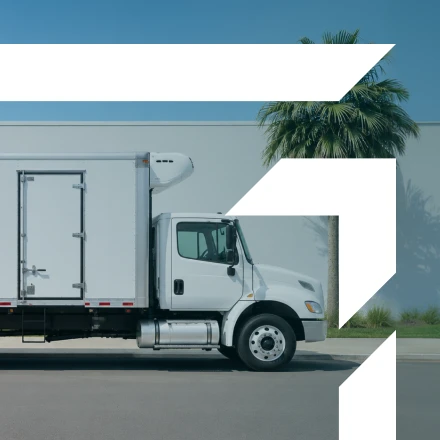
Coverage
Covered peril | How the endorsement may respond |
Sudden mechanical failure | May pay for cargo spoilage when a compressor, motor, or drive component fails suddenly and without warning during transit |
Sudden electrical failure | May pay when a wiring fault, short circuit, or control system malfunction causes temperature loss in the cargo compartment |
Power interruption (where scheduled) | Some policy forms extend coverage to temperature loss from power failure when the unit is connected to external power at a terminal—policy terms vary |
Disposal costs | May reimburse reasonable costs to dispose of spoiled or unsellable freight following a covered loss |
Earned freight charges (where endorsed) | Some policy forms include earned freight as a recoverable item—review policy wording to confirm |
Not covered: driver error including incorrect temperature settings; running the refrigeration unit out of fuel or refrigerant; gradual spoilage caused by deferred or inadequate maintenance; pre-existing equipment conditions the insurer determines were foreseeable; physical repair or replacement of the refrigeration unit itself (that is a trailer physical damage exposure); commodities not specifically scheduled in the policy; losses where documentation cannot establish the failure as sudden and accidental.
Note: The endorsement covers the cargo—not the equipment. Repair or replacement of the refrigeration unit requires separate trailer physical damage coverage.
Who needs it
Who typically needs Reefer Breakdown Coverage
Carriers hauling produce, dairy, meat, or frozen foods where standard cargo forms exclude temperature-related losses by default.
Pharmaceutical and life science carriers subject to FDA temperature chain documentation requirements under the FSMA Sanitary Transportation Rule (21 CFR Part 1, Subpart O).
Carriers whose shipper contracts or broker rate confirmations specify reefer breakdown coverage as a contractual requirement before a load is tendered—common with grocery distributors, food manufacturers, and pharmaceutical shippers.
Any carrier hauling temperature-sensitive freight where a single load loss would create significant out-of-pocket financial exposure.
Limits & costs
Factor | Typical range or impact |
Endorsement premium | $800–$2,000 annually per truck for $100,000 in cargo limits |
Standard per-load limits | $100,000–$250,000 |
High-value commodity limits | $250,000–$500,000 may be required for pharmaceuticals or high-value frozen goods |
Deductible | Typically $1,000–$2,500; higher deductibles reduce the endorsement premium |
Annual premiums for the reefer breakdown endorsement generally range from $800 to $2,000 per truck for $100,000 in cargo limits, based on industry data. Actual pricing depends on commodity type, equipment age, claims history, and the specific policy form written by the insurer.
Cost explanation
What drives the Reefer Breakdown cost—key pricing factors
Commodity class. Pharmaceuticals, seafood, and frozen desserts carry higher spoilage severity and typically rate higher than produce or fresh vegetables.
Refrigeration unit age and maintenance records. Newer units with documented service history present a more favorable risk profile. Aging equipment without maintenance records may rate higher or face coverage restrictions at certain markets.
Coverage limit selected. Every increment in per-load limit raises the endorsement premium proportionally. Moving from $100,000 to $250,000 in cargo limits increases cost in step.
Prior loss history. Temperature deviation claims in the prior three to five years increase premium and may affect which markets are willing to write the risk.
Policy deductible. Selecting a $2,500 deductible in place of a $1,000 deductible may reduce the endorsement premium meaningfully—a tradeoff worth reviewing against operational cash flow.
Documentation practices. Pre-trip inspection records, temperature download logs, and refrigeration unit maintenance schedules support more competitive coverage placements—and are often required documentation when a loss occurs.
Important: Actual premium depends on each insurer's filed rating plan and the specific risk profile of the operation. The ranges above reflect general industry data and do not represent a quote.
Our advantages
No extra fees
Transparent pricing from the first quote. No broker fees added on top of the policy premium
Agents who specialize in transportation
Fast certificate issuance
Proof of reefer breakdown coverage issued quickly when shipper contracts or broker portals require it.



















Blog
Stay informed with the GIA Group blog
Practical explanations, coverage insights, and risk management information to help refrigerated carriers and fleets make informed insurance decisions.

Mar 12, 2026
Fleet operations
Reefer Breakdown Coverage: Why It’s a Must for Refrigerated Freight
How reefer breakdown coverage helps carriers manage cargo loss when cooling systems fail.
Button
Feb 26, 2026
Fleet operations
Semi-Truck Insurance Cost: Monthly Breakdown and Key Factors
Understand semi-truck insurance cost and how monthly premiums are set.
Read more
Feb 5, 2026
Fleet operations
Truck Loading Safety Best Practices & Insurance Impact
Explore best practices for truck loading safety, it may lower risk and operational costs.
Read more

Sep 5, 2025
Business
Don’t Overpay for Commercial Auto Insurance: Hidden Cost of Agent Fees
Insurance costs a lot, but there's another cost that hides in the fine print.
Button