February 5, 2026
#
Fleet operations
by
GIA Group
Contents
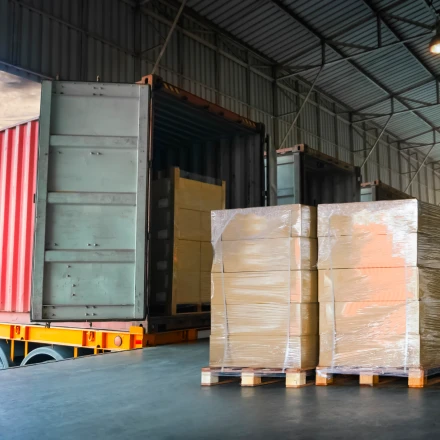
Truck loading safety matters not only for keeping schedules and using space efficiently, but also for reducing risk and managing insurance costs. Accidents during loading and unloading can be costly and dangerous for workers and drivers. By following best practices for truck loading safety and using proper safety tools and equipment, trucking businesses can improve cargo handling, reduce the chance of injuries and damage, and support a stronger overall risk profile.
This article looks at basic safety steps for loading and securing trucks, the importance of truck loading safety equipment—such as truck loading safety platforms—and how these practices can affect safety and costs, including insurance expenses.
Truck loading and its safety measures
Safe truck loading is not just a compliance requirement; it is a key part of safe and efficient operations. Poor loading can lead to cargo falls, damage to freight, and vehicles becoming unstable. In serious cases, this can contribute to rollovers, spills, or other incidents.
Key reasons why truck loading safety is essential:
Preventing accidents
Incorrectly loaded freight can move during transit and increase the risk of an accident. Proper loading and securement help reduce the chances of a truck rolling over, tipping, or losing its load on the road.
Protecting workers
Workers operating in loading and unloading areas face risks such as falls, being struck by moving or falling items, or strains from unsafe practices. Clear procedures and proper equipment help reduce these risks.
Avoiding financial losses
Accidents, cargo damage, and worker injuries can lead to repair costs, downtime, claims, and potential increases in insurance expenses. A strong safety culture can help improve operations and may be viewed positively by insurers when they assess risk.
Truck loading safety best practices
1. Understand load limits
Each vehicle has a maximum weight rating. Exceeding this limit can affect stability, braking, and steering. Make sure drivers and loading staff know the load limits for each truck and follow them when planning loads.
2. Distribute weight evenly
Uneven weight distribution makes a vehicle harder to control and increases rollover risk. Loads should be placed to keep weight centered and balanced. Use tie-downs and straps to secure cargo from shifting during transit.
3. Inspect cargo and equipment
Check cargo for proper packaging and labeling. Inspect loading equipment—such as forklifts, pallets, dock levelers, and other truck loading safety equipment—to confirm it is in good working condition and used according to manufacturer and workplace guidelines.
Advancements in truck loading safety platforms
Truck loading safety platforms provide a stable working surface for loading and unloading operations, especially at height. These systems support safer access to trailers and box trucks.
Benefits can include:
Improved Worker Safety: Reduced risk of slips and falls when accessing trailers or elevated areas.
Increased Efficiency: More organized loading and unloading can save time and reduce delays.
Support for Compliance: Using appropriate equipment helps businesses align with safety standards and reduce exposure to regulatory penalties.
When used as part of a broader truck loading safety program, safe working platforms can reduce the frequency and severity of incidents related to manual loading and unloading.
Truck loading dock safety tips
Loading docks are busy, high-risk areas in many facilities. These truck loading safety tips can help support safer operations:
1. Keep the loading area clear
A clean, organized dock reduces the risk of trips, slips, and collisions. Tools, pallets, and other materials should be returned to their designated places after use.
2. Use dock restraints
Vehicle restraints or chocks help keep trucks from moving during the loading and unloading process, minimizing the risk of trailer creep or early departure.
3. Install proper lighting
Adequate lighting helps workers see edges, gaps, and obstacles, lowering the chance of accidents caused by poor visibility.
4. Ensure workers understand safety procedures
Regular safety meetings and training help keep workers informed about current procedures, equipment use, and emergency response steps.
5. Maintain all dock equipment
Dock levelers, seals, bumpers, and other dock equipment should be inspected and maintained so they work as intended.
How truck loading safety relates to insurance premiums
Poor truck loading practices can lead to more accidents, spinal injuries, and cargo damage. Over time, this can affect how insurers view a company’s risk profile. While every insurance company evaluates risk differently, truck loading safety can be one of the factors they consider.
Examples include:
1. Lower risk profile
Insurers often look at loss history, near-miss reports, and safety programs when evaluating risk. Fewer incidents and a strong focus on truck loading safety can support a more favorable view of the operation.
2. Demonstrating compliance
Following industry standards and safety regulations can show that the business takes risk management seriously. This may help when discussing coverage terms with carriers that offer commercial truck insurance, general liability, and related coverages.
3. Enhanced cargo protection
Proper loading and securement help reduce cargo damage. This can be important for motor truck cargo insurance and may influence how underwriters assess exposure over time.
Many trucking businesses find that strong truck loading safety practices support both safety and operational performance, which is beneficial when discussing coverage with an insurance professional.
A framework for long-term truck loading safety
To maintain a culture of safety and efficiency in truck loading, businesses can:
Utilize Technology: Use cameras, sensors, or monitoring tools to observe dock activity and identify unsafe patterns.
Conduct Routine Audits: Regular safety inspections help identify hazards and fix them before incidents occur.
Encourage Feedback: Ask drivers and loading staff to share ideas for improving truck loading safety and dock procedures.
Truck loading safety: key takeaways and its impact on insurance
Truck loading safety is a core part of safe trucking operations, not an afterthought. By focusing on truck loading safety, using appropriate truck loading safety platforms, and following clear procedures at the dock, companies can help protect workers, vehicles, and cargo—and support a stronger overall risk profile.
These practices also connect directly to insurance. Safer operations can be important when arranging or reviewing coverages such as commercial truck insurance, motor truck cargo insurance, general liability, and workers’ compensation or occupational accident policies.
Independent insurance agencies like GIA Group, LLC can help trucking businesses review how their operations, including truck loading safety, align with their insurance program and coverage needs. By treating truck loading safety as an ongoing priority, companies support both the well-being of their teams and the long-term stability of their business.
Read more valuable insights

Jan 19, 2024
Fleet operations
Winterizing Your Semi-Truck: Essential Tips for Safe Winter Operations
A comprehensive guide on winterizing semi-trucks.
Button

Dec 19, 2023
Fleet operations
Best Weather Apps for Truckers Safety and Insurance Cost Reduction
In this article, we explore the top weather apps for truckers in 2023.
Read more

Nov 17, 2023
Fleet operations
The Clear Path to Safety: When to Change Your Windshield Wipers
Why keeping windshield wipers in top shape matters—and how to know when to replace them.
Read more
Oct 17, 2023
Fleet operations
29,4% of Tractor-trailer Accidents are Brake-related
Learn why brake failures remain a leading cause of accidents.
Button